Brick Repointing Services: What Hawkesbury Owners Need
Brick is one of the most durable building materials available, but the mortar holding it together is not. In Hawkesbury, where homes and commercial buildings face humid summers, heavy rain events, flood-prone river areas, and temperature swings, mortar joints are usually the first part of a masonry wall to fail. Understanding brick repointing services helps property owners act before small gaps turn into costly structural problems. This guide explains what repointing involves, when it is needed, how to choose the right materials and contractor, and how it fits into a broader property maintenance plan in 2026.
What Is Brick Repointing?
Repointing is the process of removing deteriorated mortar from between bricks and replacing it with fresh mortar. It is often called brick mortar replacement or brick joint repair. Unlike a surface patch, proper repointing involves raking out the old mortar to a consistent depth, typically two to two-and-a-half times the width of the joint, then filling the cavity in layers and tooling the joint to a durable profile.
Repointing is different from full brick wall reconstruction. Reconstruction involves taking down and rebuilding sections of wall, usually because bricks have shifted, bulged, or failed. Repointing preserves the existing bricks and restores the mortar https://cesaryjvo110.bearsfanteamshop.com/a-clear-guide-to-brick-joint-repair-on-older-buildings that protects them. When done correctly, it is a cost-effective form of brick mortar restoration that can extend the life of a wall by decades.
Why Mortar Fails in Hawkesbury Conditions
Mortar is intentionally softer than brick so that it absorbs movement and moisture and sacrifices itself before the brick does. Over time, several local factors accelerate its breakdown:
- Moisture and humidity: Repeated wetting and drying cycles wash out lime and cement binders, leaving sandy, crumbling joints.
- Flooding and rising damp: Properties near the Hawkesbury-Nepean floodplain can experience moisture wicking up through lower courses, causing salt crystallization and brick erosion.
- Thermal movement: Strong sun and temperature variation cause bricks to expand and contract, stressing joints and sometimes requiring brick expansion joint repair.
- Water overflow from gutters: Blocked or leaking gutters saturate walls from above, a leading cause of premature mortar failure.
- Age and original mortar quality: Older homes may have lime mortar, while mid-century and later builds may have weak sand-heavy mixes that wear quickly.
Signs Your Brickwork Needs Repointing
Catching problems early keeps repairs smaller and cheaper. Walk around your property at least once a year and look for these indicators:
- Mortar that is crumbling, powdery, or recessed more than 6 mm from the brick face
- Visible gaps or hairline cracks running along horizontal or vertical joints
- Loose or rocking bricks
- Damp patches, efflorescence (white salty deposits), or staining on interior walls
- Spalling bricks, where the face flakes away
- Plant or moss growth rooted in the joints
- Stair-step cracking that may signal movement and require brick structural repair
A simple test is to press a screwdriver or key into the joint. If the mortar gives way easily, it is no longer protecting the wall.
The Repointing Process Step by Step
1. Inspection and Assessment
A qualified mason checks the extent of deterioration, identifies the existing mortar type, and looks for underlying causes such as leaks, drainage faults, or foundation movement. Repointing without fixing the source of moisture will only produce a short-lived result.
2. Mortar Matching
Choosing the correct mortar is critical. The replacement should be equal to or slightly softer than the original bricks and mortar. Using an overly hard cement mortar on older, softer bricks can cause the bricks themselves to crack or spall, because moisture and movement are forced through the brick instead of the joint. Colour, sand type, and joint profile should also match for a seamless brick facade repair.
3. Raking Out and Cleaning
Old mortar is removed by hand tools or controlled grinders, depending on the brick type and joint width. Skilled workmanship avoids chipping brick edges. Joints are then brushed and dampened to ensure a strong bond.
4. Filling and Tooling
Fresh mortar is packed in layers, allowing each to firm up before the next. The joint is finished with a profile, such as concave, flush, or weathered, that sheds water effectively.
5. Curing and Cleanup
Mortar must cure slowly. In hot, dry weather, walls may need light misting or shading to prevent cracking. Excess mortar is brushed off, and the work area is cleaned.
Benefits of Professional Repointing
Quality repointing delivers far more than a refreshed appearance. It supports brick structural integrity, reduces water penetration, and contributes to brick durability enhancement. Sealed, well-maintained joints also help with brick thermal insulation, since gaps and damp walls let heat and moisture move through the building envelope more easily. Repointing is a core part of brick wall weatherproofing and a practical piece of ongoing brick wall maintenance.
There is also a property value angle. Crumbling mortar is a red flag during building inspections and can reduce buyer confidence. Restored brickwork improves kerb appeal and demonstrates that the property has been cared for.
Repointing, Repair, or Reconstruction?
Not every brick problem calls for the same solution. Here is a general guide:
- Repointing: Suitable when bricks are sound and only the mortar has deteriorated.
- Brick deterioration repair: Involves replacing individual spalled or cracked bricks, then repointing around them.
- Comprehensive wall repair: Needed when there is widespread cracking, water ingress, or movement across multiple sections.
- Brick wall reconstruction: Required when sections are bowing, leaning, or structurally unsound.
A reputable contractor will explain which approach fits your wall and why, rather than defaulting to the largest scope of work.
Protect Your Brickwork with Related Exterior Maintenance
Brick walls do not exist in isolation. Water management, roofing, and ventilation all affect how long your mortar lasts. Combining repointing with other exterior upgrades can prevent repeat damage and often saves on mobilization costs.
Gutters and Drainage
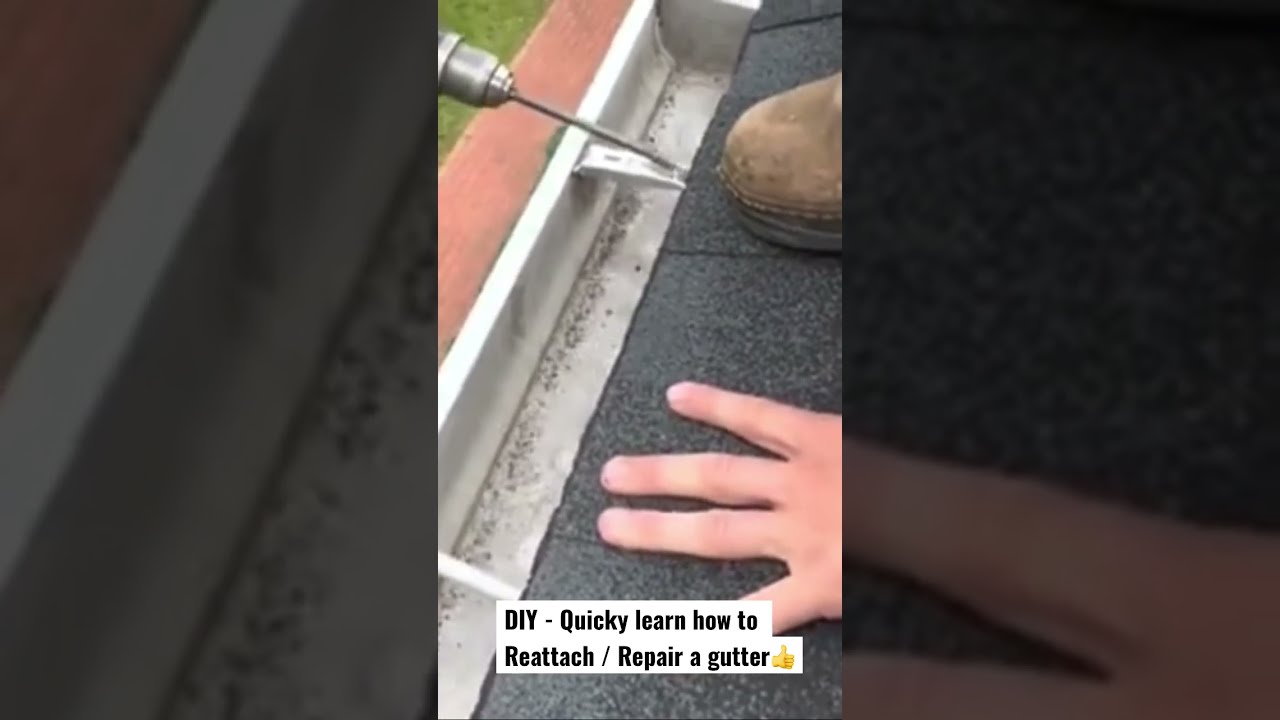
Overflowing or sagging gutters are one of the most common causes of wall saturation. Damaged gutter repair, aluminum gutter repair, and copper gutter maintenance keep water moving away from masonry. For larger buildings, commercial gutter services and comprehensive gutter services prevent chronic wetting of brick facades. Property owners with persistent runoff issues may also benefit from comprehensive drainage solutions and advanced gutter solutions that direct water well clear of foundations and walls.
Roofing
Roof leaks and failing flashings send water down wall cavities and into brick joints. Whether you need advanced roof repair, asphalt shingle replacement, or cedar shake replacement, addressing roof defects protects the masonry below. Owners of older properties may consider comprehensive roof repair or complete roofing replacement when the roof is near the end of its service life. Look for certified roof repair and certified roof reroofing providers, and ask about comprehensive roof maintenance plans that catch small problems early.
Commercial property owners in Hawkesbury have additional needs. Commercial roofing, commercial roof repair, and commercial roof solutions help protect large brick facades and parapet walls, where moisture entry often leads to mortar failure. Services such as complete roof installation and comprehensive roof reroofing may be warranted for aging flat or low-slope systems.
Attic Ventilation and Heat Control
Poor airflow traps heat and moisture in the roof space, which can stress building materials and drive up cooling costs. Attic ventilation installation, attic ventilation repair, and customized roof ventilation promote healthy air exchange. Approaches such as advanced ventilation techniques and comprehensive roof venting support attic heat reduction and effective attic cooling methods, which is especially valuable during Hawkesbury's hot summers.
Painting and Sealing
Where brick is painted or where adjoining surfaces need protection, quality coatings help control moisture. Comprehensive painting sealing, complete painting sealing, and advanced painting techniques protect timber trims, render, and metalwork around brick walls. For larger premises, commercial painting sealing and comprehensive sealing solutions provide consistent protection across multiple surfaces. Note that breathable products are essential on masonry, as non-breathable paints can trap moisture and worsen deterioration.

How to Choose a Brick Repointing Contractor in Hawkesbury
The quality of repointing depends heavily on the skill of the person doing it. Poor workmanship, such as smeared mortar, overly deep or shallow joints, or mismatched colour, is difficult and expensive to correct. Use the following checklist when comparing providers:
- Verify licensing and insurance. Confirm the contractor holds the appropriate licence for building work in New South Wales and carries public liability insurance.
- Ask about mortar selection. A knowledgeable mason will discuss lime versus cement content, brick hardness, and matching existing joints.
- Request examples of previous work. Look for tidy, consistent joints and well-matched colour on comparable properties.
- Get a written, itemized quote. It should specify the area covered, joint depth, materials, access equipment, and cleanup.
- Check heritage experience if relevant. Hawkesbury has a wealth of historic buildings, and heritage-listed or conservation-area properties may have specific requirements.
- Confirm warranty terms. A confident contractor will stand behind their workmanship in writing.
Cost Factors and Timing
Repointing costs vary based on several factors: the total wall area, joint width and condition, height and access requirements, mortar type, and whether additional brick structural repair or brick replacement is needed. Heritage work using traditional lime mortar generally costs more than standard repointing due to materials and slower working methods.
Timing matters too. Mild, dry weather offers the best curing conditions. Avoid scheduling work during extreme heat, heavy rain, or frost risk. Planning ahead for autumn or spring in Hawkesbury often delivers the most reliable results. Because flood and storm events can disrupt schedules and damage masonry, booking an inspection before the wet season gives you time to address vulnerabilities.

Maintenance Tips to Extend the Life of Repointed Brickwork
- Clean gutters and downpipes at least twice a year and repair leaks promptly
- Trim vegetation away from walls to improve airflow and reduce moisture
- Avoid high-pressure washing, which can erode fresh or aged mortar
- Check weep holes and sub-floor vents so they remain clear
- Inspect walls after major storms or floods
- Address cracks early, since small gaps allow water to accelerate damage
Looking Ahead: 2026 and Beyond
Property owners in 2026 are increasingly focused on energy efficiency, climate resilience, and the long-term value of existing buildings. Repointing aligns with all three: it keeps walls watertight, supports thermal performance, and preserves existing materials rather than replacing them. As weather patterns continue to bring more intense rain and heat events into 2027 and beyond, proactive masonry maintenance will only become more important for Hawkesbury homes and businesses.
Take the Next Step
If you notice crumbling mortar, damp patches, or loose bricks, do not wait for the problem to spread. A professional assessment will confirm whether repointing, targeted repairs, or broader comprehensive wall repair is the right solution for your property. By choosing an experienced local contractor, matching the right mortar, and addressing related issues like gutters, roofing, and ventilation, Hawkesbury owners can protect their investment and keep their brickwork strong, weatherproof, and attractive for years to come.
Top Hawkesbury Roofer
Bells Line of Rd, Kurmond NSW 2757, Australia
(02) 4503 4545
Corrections
Spot something wrong? Send it to the desk and it gets fixed in the open.